On the final Monday of August, the streets of West London transformed into a kaleidoscope of Caribbean culture as Notting Hill Carnival 2025 unfolded in its full, dazzling glory. Now in its sixth decade, Europe’s largest street festival is a living, breathing celebration of migration, resilience, and joy.
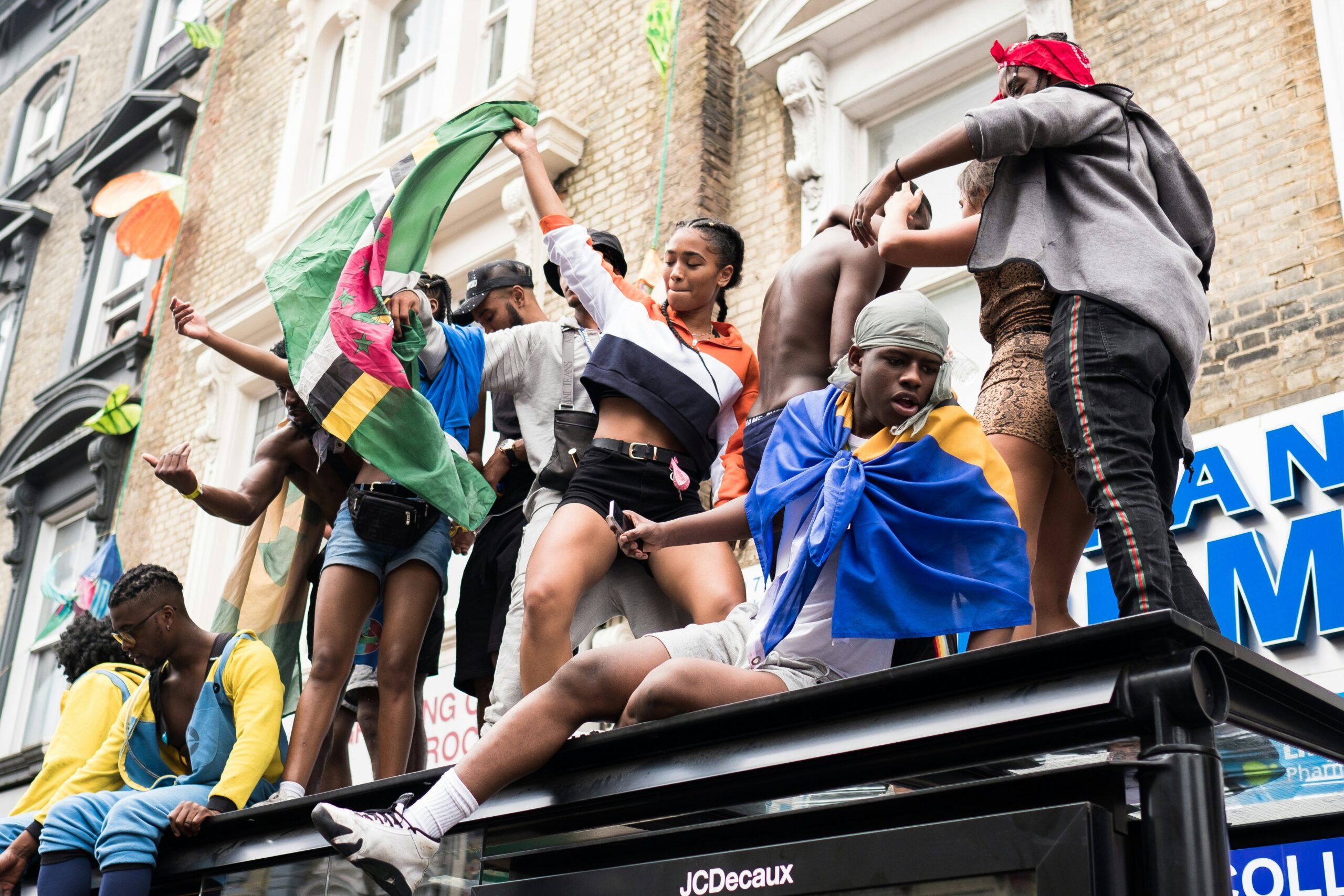
The air pulsed with energy as throngs of people, families, friends, and curious travelers from across the globe moved shoulder to shoulder in a living mosaic of humanity. Everywhere flags were waving. From Jamaica to Grenada, from Trinidad to Brazil to Barbados, each block became a geography lesson in its own right. For the curious eye, it was possible to learn about the world in a single stretch of London street.

Music poured into every corner of Notting Hill. Calypso and soca filled the streets, and deep reggae basslines shook the ground. Dancers in feathered headdresses spun to the beat, their sequined clothes catching the late summer sunlight. Many whispered that some of these spectacular costumes take an entire year to create, and seeing their intricate detail it was easy to believe. The parade became not only performance but devotion, each costume a labour of artistry and pride.
The food was as much a part of the experience as the music. The smoke of jerk chicken grills drifted through the air, mingling with the spices of curry goat and the sweetness of fried plantain. Rum punch glowed in plastic cups, a badge of festivity. Each dish told a story, recipes carried across oceans and served here on London’s streets with pride.

One of the best parts of the day was the camaraderie we collectively formed. Though the crowds grew dense, and at times the only option was to move with the flow of people, every interaction we had was warm. Strangers pointed us toward side streets, helped us navigate to sound systems, and gave tips for moving between the busiest areas. That sense of generosity and shared purpose seemed to hold the festival together as much as the music.
Of course, the event’s scale also brought challenges. Toilets were in short supply, and the charged facilities on public streets caused confusion, as signage made it difficult to tell which were official and which were private. Long queues and unclear directions interrupted the flow of the day. Yet these inconveniences felt small compared to the joy that filled every street corner.

This was a celebration that reached beyond borders. It was a joyous reminder that culture can unite strangers and transform ordinary city streets into something extraordinary. We left with tired feet and full hearts, grateful to have been part of a tradition that continues to carry history forward through flags, costumes, food, music, and above all, human connection.