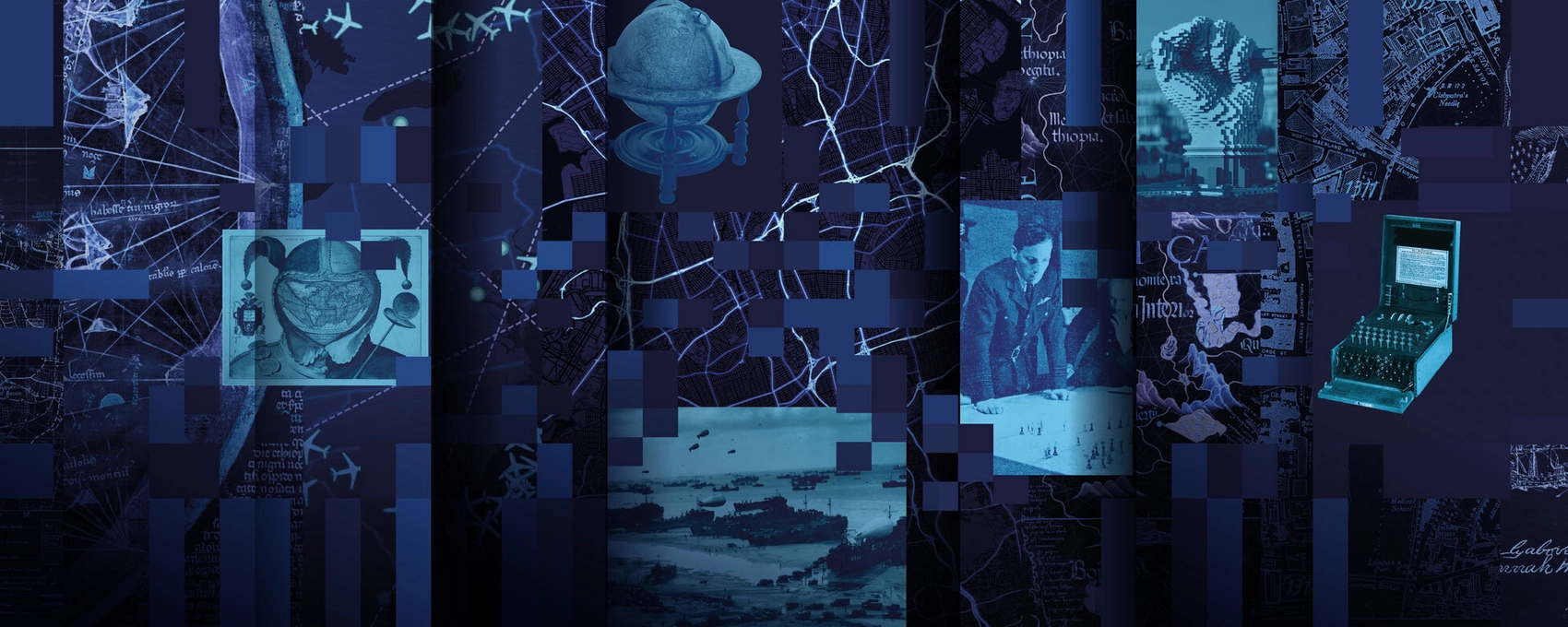
Away from the research archives of the British Library, a new exhibition invites you into a world shaped as much by omission as by exposé. Secret Maps (24th October, 2025 – 18th January 2026) is a study of human inquisitiveness and caution. It shows how our species has long charted the Earth while guarding the knowledge gained through those expeditions. The result is an exhibit that feels both familiar and universal.
This is a story that begins with supremacy. Early imperial maps, many created for rulers whose grip on distant territories depended on precise data, glow behind glass. The opulent naval charts prepared for Henry VIII gleam with pigments that once signaled national strength. A 1596 manuscript map attributed to Sir Walter Raleigh hints at gems and subjugation along the rivers of what is now Guyana. A map of Aotearoa (New Zealand) drawn in 1793 by the Māori chief Tuki te Terenui Whare Pirau offers a counterpoint that feels human, especially when compared with the nearby maps of Captain James Cook (or, as we learnt, Lieutenant at the time). It speaks to a worldview based on kinship with land rather than proprietorship. These encounters set the character for an exhibition that does not shy away from the difficult entanglement of charting and power.

As you move deeper into the galleries the theme of secrecy broadens. A globe by Willem Blaeu suggests the tightly held knowledge of trading routes that enriched the Dutch East India Company. A hairbrush, plain at first look, reveals hidden escape maps once smuggled into German POW camps. A map drawn by TE Lawrence in 1917 shows the lived immediacy of a journey that later fed into British wartime policy (as informed by his archaeological mapping work).
The exhibition design itself amplifies its ideas with subtle clearness. Floorings and partitions create a sense of shifting coordinates through quiet transitions of surface and colour. Pale chipboard panels yield to deep black planes. This shift mirrors the movement from open exploration to guarded information. Video projections spill over gossamer hangings, helping one feel immersed.

Among the most affecting moments lies in the segment titled “Secrets in Society”. Here the curators gather maps created by communities seeking security and acknowledgement. The 1970s London Gay to Z unfolds as a beacon of solidarity in a city not yet ready to protect its queer inhabitants. Nearby sits a sixteenth century khipu from the Andes, with its knotted strings that once encoded sacred sites. The pairing is unexpectedly sensitive. Both objects express a desire to record the world in a way that preserves the right to exist inside it.
Political purpose courses through the exhibition with similar extensiveness. Charles Booth’s detailed map of London poverty from 1889 uses colour to expose social inequity road by road. His project aimed at reform, but also opened uncomfortable questions about surveillance. These questions reverberate with modern issues explored in the final galleries where the interactive glow of digital mapping reveals how private lives can become cartographic material. A map shared among Syrian refugees to guide travel from Turkey to Germany reminds us that secrecy can also be a fragile shield for those who flee endangerment. Not far off, a 1927 cable map reveals the infrastructure that once allowed the British government to intercept global telecommunications. This pairing, even if not direct, is potent. It demonstrates how the same technologies that help individuals survive can also arm states with sweeping authority.

Throughout the exhibition the curators use space with a geographer’s exactness. Sightlines draw you from the intimate scale of a knotted cord to the planetary measure of a communication net.
By the time you reach the satirical Fool’s Cap Map from the sixteenth century (which also featured earlier in the exhibition), the theme feels whole. The world lies within the head of a joker with certainty becoming a delusion. It is a reminder that atlases, for all their influence, remain human creations built on selection, holes, and imaginings.

Secret Maps is ambitious in scope yet grounded in bright detail. It brings together centuries of cartographic practice and demonstrates how mapping has shaped conquest, mediation, protest, and play. It also offers a gentle challenge to us: what do the maps we use today hide? What do they expose (and to whom)?

For anyone interested in how the world has been labeled, fortified, exploited, and dreamed of, this exhibition is a journey worth taking. It will leave you walking out of the British Library with a heightened sense that the lines we draw across the Earth are biased.